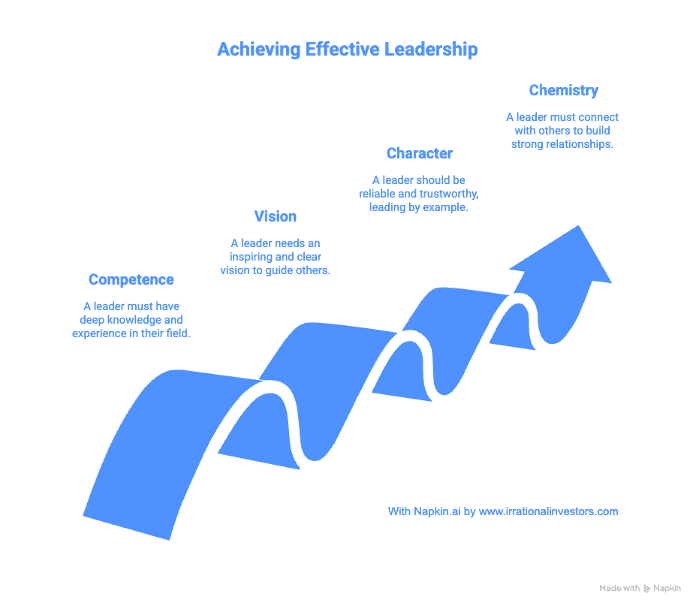
Mario Alonso Puig explicitly states in this video that there are four key elements that define a leader’s capacity to influence. These conditions are crucial for what the speaker defines as «liderar» (to lead), which is distinct from merely «mandar» (to order) and instead focuses on inspiring, mobilizing, and fostering alignment between mind and heart to create a shared, exciting vision.
Here are the four conditions for leadership as described in the video
1. Competence: A leader must be competent in their field. This means having knowledge and experience that supports their opinions, rather than just having an opinion. For example, a doctor would not follow someone trying to lead a new medical approach if that person lacked competence in medicine.
2. Vision: A leader must possess an inspiring and exciting vision. This vision provides a common purpose and direction, even in the face of immense challenges. Without a clear destination or focus, it’s impossible to unite minds and hearts towards a shared goal. The vision suggests that «the best is yet to come» and offers a «way out of this tunnel».
3. Character: A leader needs to be a person of strong character, which implies being reliable, integral, and coherent. This person doesn’t have to be perfect but consistently strives to act in accordance with what they say, leading by example. Trustworthiness is paramount; as the video illustrates, no one would journey to the best place in the world if they didn’t trust the person leading them.
4. Chemistry: The ability to connect with other human beings is essential for leadership. If followers don’t feel comfortable, understood, or connected to the leader, it’s highly unlikely they will fully commit to the project or journey. The author emphasizes that true leadership isn’t imposed but attracts others through the leader’s way of being.
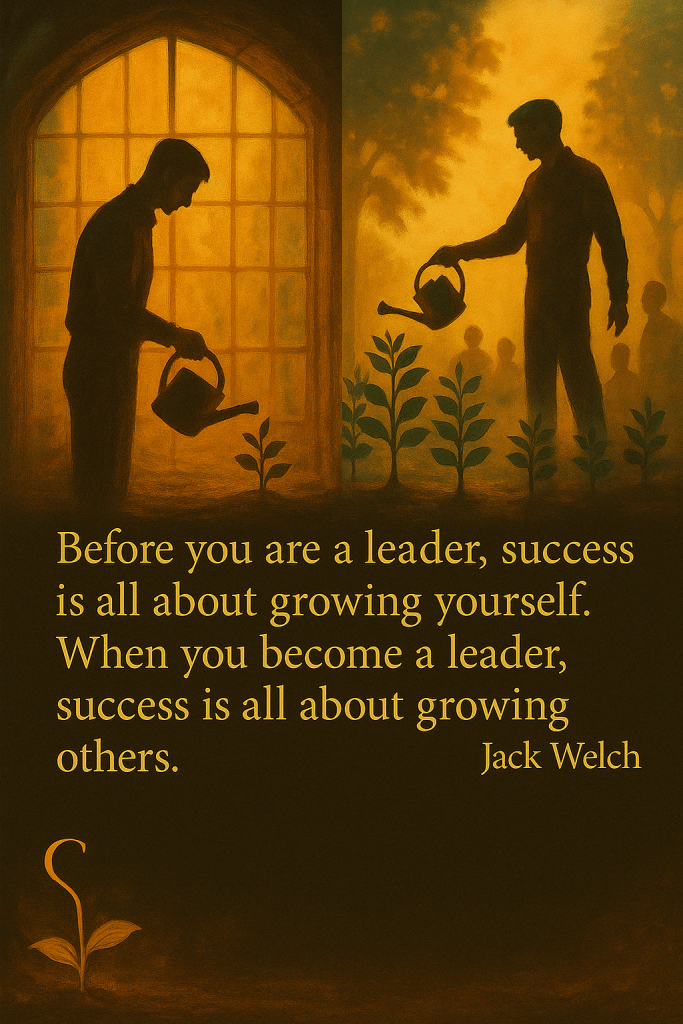
Mario Alonso also highlights that while some individuals may be born with a more developed capacity to influence, leadership is also a highly trainable skill due to neuroplasticity. Anyone can be called to be a leader, not for public recognition, but to help others reach their potential. The example of Gandhi is used to illustrate this: a man initially seen as lacking in influence became a global leader by undergoing a significant personal transformation or «reinvention».
“Leadership couldn´t be forced, Leadership happens”
Descubre más desde Irrational Investors
Suscríbete y recibe las últimas entradas en tu correo electrónico.

 Irrational Investors